Roses Flower Full Wrap: A Designer's Embroidery Perspective
First Impressions: Romantic Elegance with Practical Intent
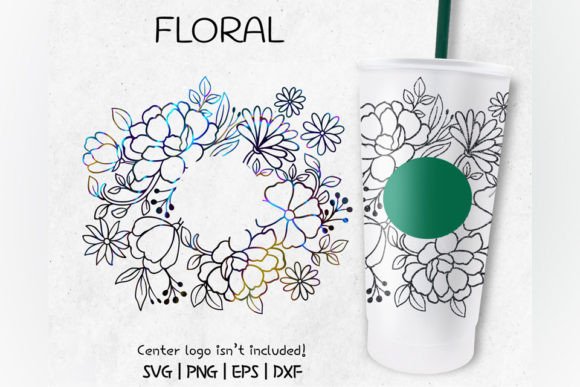
When I first opened the Roses Flower Full Wrap, Venti Cold Cup embroidery file, my immediate thought was of romantic, timeless elegance. This isn’t a loud or trendy graphic; it’s a classic, detailed floral layout that feels inherently giftable. The wrap-around composition creates a sense of fullness and continuity, which from an embroidery perspective, suggests a design meant to be a focal point. The level of detail in the roses and leaves indicates it’s suited for a project where visual impact is key—something meant to be admired closely, like on a keepsake pillow cover or a boutique kitchen towel. The mood is softly luxurious, perfect for projects targeting customers who value a handmade, personal touch.
Where This Design Shines in Real Projects
In my workshop, evaluating a design means imagining it stitched out on real items. For this roses design, I picture it beautifully on a custom embroidered tote bag for a gardening friend, or as a central motif on a linen apron for a small shop selling homemade goods. The full-wrap nature makes it ideal for cylindrical items, but its elegance translates wonderfully to flat surfaces too. I can see it stitching out perfectly on a baby blanket or a set of pillow covers for a wedding gift, adding that premium, personalized feel. For an Etsy seller or craft business, this design could elevate a simple sweatshirt or tea towel into a standout listing. The floral theme has universal appeal, making it a safe yet beautiful choice for holiday embroidery gifts or year-round small shop merchandise.
Visual Appeal and Customer Perception
How a design stitches out directly affects customer trust and perceived value. A clean, detailed floral like this, when embroidered with quality thread and proper stabilizer, communicates craftsmanship. It doesn’t look generic. For a personalized gift, such as a monogrammed blanket with this rose border, the recipient recognizes the effort and artistry. In a commercial setting, like a boutique selling embroidered caps or patches, this design contributes to brand consistency—offering a recognizable, elegant aesthetic. The finished product feels thoughtfully designed, not merely applied, which is crucial for engaging buyers in today’s handmade market.
Practical Considerations and Where to Exercise Caution
While the Roses Flower Full Wrap is versatile, its detail level demands some practical forethought. On highly textured fabrics like certain sweater knits, the finer leaf details might lose clarity. On very dark fabric backgrounds, careful thread color selection is paramount to maintain the design’s delicate feel. The design’s intricacy also means it deserves a sufficiently large hoop size to capture all elements without compromise; trying to squeeze it onto a very small area could lead to crowded stitch density and a loss of definition.
For items like curved caps, the wrap-style layout could be excellent, but one must test the file’s adaptation to the curved surface to ensure no elements distort. Similarly, on stretchy fabrics or items requiring frequent washing, like baby clothes, using the correct stabilizer and reviewing the stitch structure becomes even more important to ensure longevity. This isn’t a design I would automatically use on a thin, delicate silk without first testing on scrap fabric to see how the fill stitches behave.
A Real Scenario: Crafting a Signature Apron
Let’s walk through a real case. Imagine I’m preparing a limited-run embroidered apron for my online shop. I choose a high-quality, natural-colored linen. The Roses Flower Full Wrap, Venti Cold Cup design, positioned centrally, becomes the signature feature. Before hooping, I consider the apron’s texture and how the satin stitches for the rose petals will lay. I test a section on a linen scrap to check thread contrast and density. The result? A lush, tactile floral that makes the apron feel artisan-made. This practical testing step is what separates a successful embroidered product from one that merely gets the job done.
Essential Designer Notes Before You Stitch
Every experienced embroiderer has a checklist. For this design, mine includes several key points. First, always test on scrap fabric that mimics your final project’s material. This reveals how the machine embroidery design handles that specific fabric texture. Second, play with thread color contrasts—try the design in a black and white mockup mentally to see if the elements hold their form without color. This is especially useful if you plan to offer it on both light and dark backgrounds.
Third, inspect the provided files for the small details. The design comes in multiple formats, which is excellent for versatility. However, as a professional, I need to confirm the specifics of the embroidery file itself within that package—compatibility, estimated size, and any layered details for applique design elements—before committing it to a client’s project. Finally, a crucial note for digital product sellers and creative entrepreneurs: always verify the licensing terms. If you intend to sell the physical finished product—like those tote bags or pillows—or use the design in commercial embroidery projects, clear understanding of the license is necessary for professional integrity.
The Final Take: A Reliable Asset for Creative Hands
The Roses Flower Full Wrap, Venti Cold Cup stands out as a reliable, beautiful asset in the Crafts and Graphics space. It’s a design that, when handled with practical embroidery wisdom, yields products that feel special. It fits seamlessly into the workflows of hobbyists making gifts, apparel decorators enhancing a line of sweatshirts, and small business owners building a cohesive product range. Its strength is its classic elegance and adaptability, provided you partner it with sound technique. In my view, it’s a design file worth having in your collection for those projects where a touch of romantic, handmade sophistication is exactly what you, and your customer, are looking for.