A Designer's Take on the Leopard Pink Ribbons Cold Cup Design
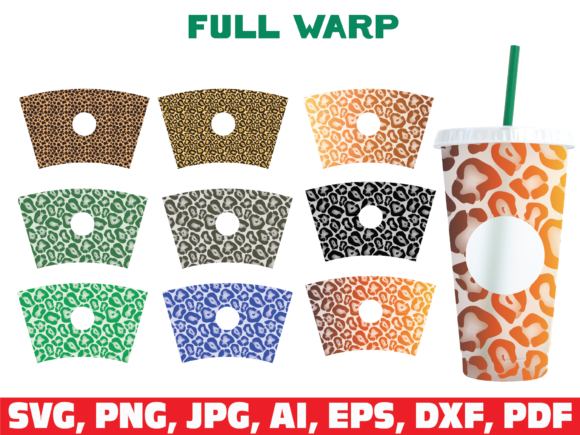
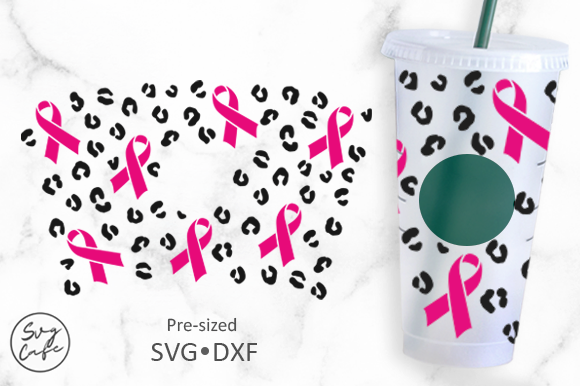
As someone who spends most days either at an embroidery machine or sketching out concepts for client projects, my first reaction to a new file is always visual. When I saw the 24OZ VENTI COLD CUP LEOPARD PINK RIBBONS design, it immediately struck me as playful and bold. The combination of leopard print and delicate ribbons creates a fun, feminine vibe that feels both trendy and timeless. It's not a subtle piece; it's meant to be a statement. This is a design that would catch eyes across a craft fair table or in an Etsy shop preview.
The Kind of Project This Design Calls For
This isn't an all-purpose, generic graphic. Its personality dictates its best uses. I immediately pictured it on a bright pink or cream sweatshirt for a boutique client, or as a large, central motif on a canvas tote bag. The "cold cup" theme makes it perfect for personalized gifts for coffee lovers – think an embroidered tea towel for a kitchen, or a cute patch on a reusable insulated bag. For a small business selling handmade apparel, this design could become a signature piece for a line of "girls' night out" or "brunch club" merchandise.
Its pre-sized SVG and DXF formats mean the scale is already considered, which is a great starting point. In a real-world scenario, like preparing a custom baby gift set, I'd lean towards using this on the bib or a blanket, rather than a tiny newborn shirt, because the details need space to shine. The ribbons and cup shape would translate beautifully into a soft, textured fill stitch on a minky blanket, creating a gift that feels special and visually engaging.
Where It Shines and Where to Be Cautious
For embroidery, the clear, pre-sized shapes are a strong foundation. On stable fabrics like quilted cotton for a pillow cover, or a sturdy denim for a cap, this design should perform very well. The distinct elements—the cup, the leopard pattern, the ribbons—allow for good color separation, letting you play with thread choices. Using a bright pink for the ribbons against a taupe leopard fill would create lovely contrast and stitching clarity.
However, the level of detail suggests some careful application. On very stretchy fabric, like a thin t-shirt, the larger fill areas for the leopard print could become problematic without excellent stabilizer. Similarly, embroidering this on a curved surface like a baseball cap requires careful positioning to ensure the cup shape doesn't distort. The small, intricate details of the ribbon ends and cup lid would be my focus during a test run; I'd check that the stitch density in those areas isn't too high, which could lead to puckering on lighter fabrics.
For dark fabric backgrounds, the design would need a very thoughtful thread palette. The leopard print, if kept in traditional colors, might lose definition on a black sweatshirt. A test on scrap fabric would be essential here, perhaps opting for lighter, contrasting shades to keep the design vibrant. This attention to detail directly affects the finished product's value and the customer's perception of your craftsmanship.
Turning a Digital File into a Trustworthy Product
When you're selling handmade products or offering custom embroidery, the final stitch quality is your brand's reputation. A design like 24OZ VENTI COLD CUP LEOPARD PINK RIBBONS, when executed well, elevates a simple item. A clean, crisp embroidered tote bag with this design feels professional and giftable. It tells a story, which engages buyers more than a generic motif. For an Etsy seller, that translates into better photos, more compelling listings, and ultimately, stronger sales.
It also offers versatility for commercial embroidery projects. Beyond apparel, it could be used for a series of coordinated kitchen items—aprons, towels, oven mitts—for a small shop looking to build a cohesive line. The graphic, bold nature works well in printable mockups for digital product sellers, clearly showing potential buyers what the end result could look like.
Practical Notes Before You Hoop the Fabric
My process with any new design, especially one with mixed patterns like this, always involves a dry run. First, I'd examine the pre-sized files in my software to confirm the physical hoop size I need. Then, I'd stitch it out on a scrap of the actual fabric I plan to use—say, a piece of sweatshirt fleece and a piece of canvas. This reveals everything: whether the satin stitch borders on the cup are smooth, if the fill stitch for the leopard area is too dense for the fabric, and how the small details of the ribbons hold up.
I'd also test it in a digital black-and-white mockup to see how it reads without color, ensuring the shape itself is strong. Contrast is key; playing with thread color combinations on-screen before stitching saves time and material. Since the product category is Crafts and the type is Graphics, and you receive SVG and DXF files, it's crucial to confirm your machine's compatibility with these formats and understand the licensing terms for your intended use, whether personal gifts or commercial sale of finished items.
Using proper stabilizer is non-negotiable here to maintain the design's integrity through multiple washes, especially if applied to apparel. The final step is a simple, human one: look at the stitched-out sample from a few feet away. Does it have the visual impact you imagined? Would it make someone smile if they received it as a personalized gift? With this design, I suspect the answer is yes. Its cheerful, thematic personality, handled with practical embroidery care, can turn a digital asset into a very real, beloved finished product.