A Review of the Sunflower American Tumbler Embroidery Design
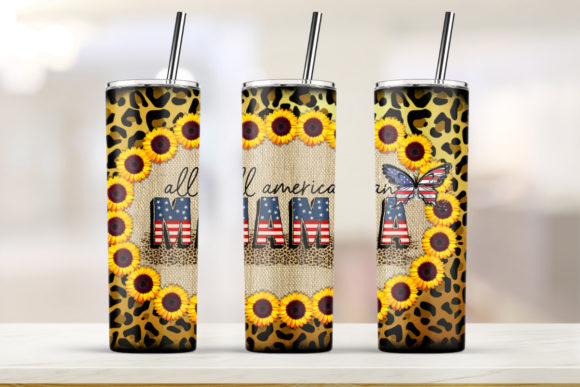
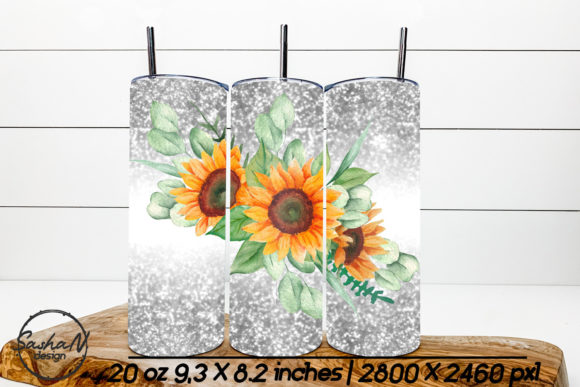
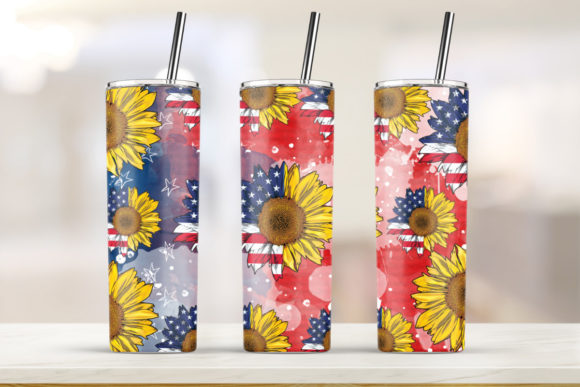
When you’re looking at a new embroidery file for your business or a personal project, the first impression is everything. The Sunflower American Tumbler design hits you with a warm, classic Americana vibe. It’s not just a graphic; it feels like a ready-to-stitch statement piece. The layout is balanced, the sunflower central and friendly, and the typography has that clean, slightly rustic personality. This isn’t a overly dense or fussy design. It feels like it belongs on something meant to be used and loved—a tote bag carried daily, a kitchen towel in a cozy home, or a sweatshirt for a weekend outing.
Where This Design Finds Its Home
I immediately pictured this on a heavyweight cotton tote. It’s the perfect scale for a bag side, offering that handmade product appeal that customers at craft fairs or in small shop Etsy listings really respond to. The positive, sunny mood makes it a natural fit for personalized gifts—think a wedding gift for a couple who loves gardening, or a cheerful addition to a baby’s nursery decor as a pillow cover. For commercial embroidery projects, like a line of branded aprons for a boutique cafe, this design adds a recognizable, professional touch without being generic.
It translates beautifully to mockups for digital product previews. The clear shapes and defined areas mean it will look sharp in a printable mockup, helping you sell the idea before you even stitch it. For apparel decorators, it’s a strong candidate for the center back of a sweatshirt or on the front of a cap, provided the fabric can handle the likely stitch coverage.
Navigating the Practical Stitching Details
Any experienced designer knows that a good-looking graphic needs to perform on the machine. Based on the visual composition, here’s where your practical judgment comes in. The sunflower center and the potential fill stitch areas in the lettering will require attention to stitch density. On thinner fabrics like standard t-shirts, a robust stabilizer is non-negotiable to prevent puckering, especially around those curved letters in "American."
For dark fabric backgrounds, you’ll need to think carefully about thread color contrast. The design’s appeal relies on clarity, so a bright, contrasting palette for the sunflower and a crisp white or cream for the lettering would be essential to maintain that visual appeal. On textured fabrics like a woven blanket, the fill stitches might lose some sharpness, so a test on scrap fabric first is always my first step with any new embroidery file.
Scenarios Where Extra Caution Is Needed
This design has a fairly broad footprint. On very small hoop sizes, you risk compromising the detail, particularly in the smaller serifs of the lettering. It’s not a design I’d automatically try to miniaturize for a baby clothes item like a tiny hat unless I was confident in the file’s scaling and my machine’s precision.
Stretchy fabric is another consideration. If you’re planning it for the curved surface of a cap, proper stabilization and possibly even a redesign of the stitch angles might be needed to keep the "Tumbler" text looking straight and professional. Similarly, on products destined for frequent washing, like kitchen towels, the density of the sunflower fill stitch should be tested for durability to ensure the design holds up and maintains that customer trust in your handmade presentation.
Turning a Digital File into a Valuable Product
The leap from a digital embroidery file to a finished product that resonates with buyers is where your skill meets the design. The Sunflower American Tumbler, when stitched cleanly on a quality substrate, elevates the perceived value of the item. It feels complete and intentional. For creative entrepreneurs, this consistency helps build brand recognition—a series of products carrying this sunny, Americana theme can create a cohesive line for your craft business.
Its giftability is high. It’s universally pleasant and not seasonally locked, making it a versatile asset for holiday gifts or everyday merchandise. For Etsy sellers and digital product sellers, offering this as a completed, physical embroidered item (with proper licensing confirmed, of course) alongside the digital file can increase buyer engagement by showing the real-world application.
Notes From the Embroidery Hoop
Before you commit this to a client’s project or a batch of small shop products, run through these practical checks. Always test the design on a scrap of the actual fabric you intend to use. Compare how it looks in both light and dark fabric backgrounds using simple black and white mockups to plan your thread strategy. Inspect the small details in the provided file previews; look for any potential trouble spots like overly tight corners in the lettering that might require a slight stitch adjustment.
Confirm the necessary hoop size for a clean stitch-out. While the listing suggests it’s designed for 20oz skins, always verify the actual dimensions and your machine compatibility. Use proper stabilizer for the fabric type. And crucially, check whether the design’s licensing permits its use for commercial embroidery projects if you’re selling the finished items. This design has the look of a strong commercial embroidery asset, but that right must be clear from the source.
Ultimately, the Sunflower American Tumbler design stands out as a graphics file with solid, practical potential. It’s not just a print template; it’s a blueprint for a product that feels handmade, warm, and market-ready. When executed with care, it turns into an embroidered piece that customers will connect with—and that’s the real goal for any designer or maker.