A Review of the 'About Teacher Nutrition' Embroidery Design
As a designer who has stitched thousands of files for client projects and my own shop, I approach every new design with a practical eye. When I first saw the About Teacher Nutrition Skinny Tumbler design, my immediate thought wasn't about the file itself, but about the kind of project it naturally evokes. This isn't just a graphic; it's a specific mood and a potential product waiting to be made real with thread.
The Immediate Mood and Practical Personality
The title gives you the theme, but the design's personality is what matters for stitching. This design feels playful, educational, and warmly supportive. It clearly belongs in the world of gifts and personalized items, specifically for teachers, caregivers, or anyone in a nurturing role. The layout likely balances text and illustrative elements, aiming for a clear, friendly statement. For an embroidery designer, this means assessing how that friendly personality translates into stitches. Will the text be clean and readable? Will the illustrative elements stitch out with a charm that matches the theme? This is a design that needs to look approachable and heartfelt on a finished product.
Where This Design Finds Its Best Home
In my workflow, I immediately picture this design applied to real items. Imagine a custom tote bag for a preschool teacher, embroidered on the front pocket. Or a cozy sweatshirt for a nutritionist who also mentors students. It would shine on a tea towel in a teacher's kitchen or as a sweet, personalized patch on a baby's blanket from a doting grandparent-teacher. The theme lends itself perfectly to holiday gifts—think Teacher Appreciation Week or end-of-year thank-yous from a class.
For small business owners and Etsy sellers, this design is a solid asset for creating niche merchandise. It could elevate a simple apron for a home economics teacher or adorn a pillow cover in a school-themed nursery. In a boutique setting, it adds a layer of personalized storytelling to otherwise generic apparel. The key is to pair it with products that reinforce its nurturing, educational vibe.
A Real Scenario: Crafting a Gift Tote
Let’s walk through a real case. A client requests a custom embroidered tote as a gift for a retiring teacher who focused on health. I choose a sturdy, natural canvas tote. My first concern is stitch density and clarity on this textured fabric. I'd test the About Teacher Nutrition Skinny Tumbler design on a scrap of similar canvas first. The goal is to ensure the lettering, especially any smaller words like "nutrition," remains crisp and doesn't get lost in the fabric's weave. A good stabilizer is non-negotiable here. The finished look should feel handmade and professional, increasing the perceived value of the gift and building client trust for my business.
Considerations for Successful Stitching
While the theme is strong, the technical execution determines success. Here’s where a designer’s practical judgment comes in.
- Fabric Choice: This design likely benefits from a smooth, stable fabric for optimal detail. Highly textured fabrics, very stretchy materials, or thin, delicate cloths might obscure the design's clarity. On dark fabrics, thread color contrast becomes paramount—a test in a black-and-white digital mockup can help visualize this before stitching.
- Scale and Hoop Size: Given its origin as a template for a skinny tumbler, the design may have a certain aspect ratio or detail level. Embroidering it onto a much larger area, like a sweatshirt back, or a much smaller one, like a cap curve, requires careful consideration. Always confirm the design's suitability for your intended hoop size. Tiny lettering or dense decorative accents might become problematic on very small sewn areas.
- Longevity and Care: For items that need frequent washing, like kitchen towels or baby clothes, assess the stitch density. Extremely dense areas can feel stiff and may wear differently over time. A balanced stitch count is key for both comfort and durability.
Impact on Your Business and Craft
Using a design like this isn't just about a single project; it's about your output's consistency and appeal. For creative entrepreneurs, it offers a ready-made, themed asset that can speed up production for gift seasons. Its recognizable theme can enhance buyer engagement in your online listings—customers searching for teacher gifts immediately understand the product.
The professionalism of the final embroidered item depends entirely on your application. A clean stitch-out of this design on a well-chosen product reinforces your brand as a maker of quality, thoughtful goods. It boosts the giftability of your items, making them feel specially conceived rather than generic.
Essential Designer Notes Before You Stitch
Before you commit this design to a client’s project or your shop inventory, run through this quick checklist:
- Test the embroidery file on scrap fabric identical to your project fabric.
- Review thread color choices against both light and dark background options.
- Inspect the stitch-out for any small details that might need manual adjustment.
- Always use the proper stabilizer for your chosen fabric to maintain clarity.
- Critically, confirm the licensing terms of the digital file. Understand if it's for personal use, commercial use, or both before selling any finished products.
- Check the provided file formats and ensure compatibility with your embroidery machine.
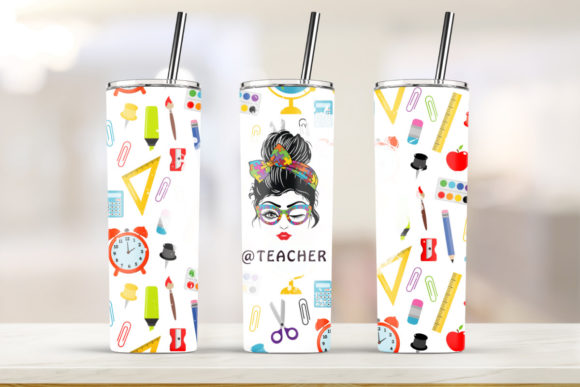
Remember, the product description notes it's an instant downloadable file designed for a 20oz skinny tumbler graphic. This implies it's a Print Template or Graphics file intended for that specific application. As an embroidery designer, your job is to adapt and test it for your embroidery medium, which is a different process. Do not assume embroidery-specific details like stitch count or exact hoop size are included unless explicitly stated in the product files. Verify everything.
Final Thought: A Design with Clear Purpose
The About Teacher Nutrition Skinny Tumbler design, from a professional's standpoint, is a themed tool with a clear target audience. Its value lies in how well you, the maker, translate it from a digital graphic into a tangible, stitched emotion on a real product. When executed with care on the right item, it creates a heartfelt, professional-looking finished product that resonates deeply with both the giver and the receiver. That’s the real test of any design asset.