Graphics Review: The Editorial Power of a Cezve & Cup
The First Impression That Sets the Editorial Mood
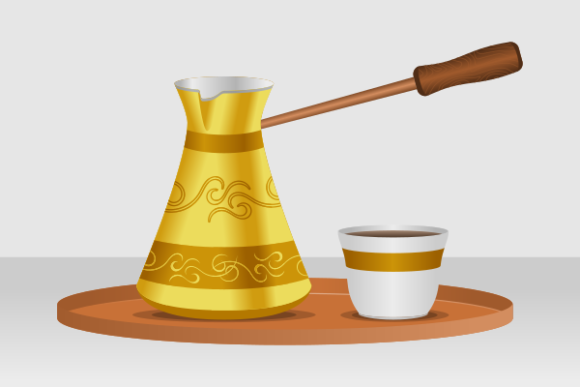
When you open an editable SVG vector file of a Turkish cezve coffee pot and fincan cup on a tray, your first thought isn’t just about a graphic. It’s about aesthetic direction. This isn’t a generic stock photo; it’s a crafted illustration that instantly communicates warmth, tradition, and a specific cultural niche. The style—whether it leans artistic, clean, or decorative—immediately informs your editorial mood. It feels authentically lifestyle-focused, with an undercurrent of education and artistry. For a publisher, this is gold. A reader landing on a page featuring this asset perceives it as thoughtful, curated content. It builds trust before a single word is read.
Where This Design Asset Thrives in a Publishing Workflow
As a blog designer, I envision immediate applications. This vector illustration is a versatile cornerstone for visual content.
For immediate blog and website use: It’s perfect for a hero image on a post about Turkish coffee traditions, or a category thumbnail for a “World Cuisine” or “Cultural Crafts” section. Its clear, scalable forms make it ideal for article headers and website banners, providing a strong visual anchor without clutter.
For social and promotional graphics: This is a standout Pinterest pin or Instagram graphic. The subject is inherently engaging and clickable. It can form the centerpiece of a newsletter banner announcing a new guide or be cropped effectively for social media previews.
For downloadable resources and digital products: This is where the editable SVG truly shines. Integrate it into the cover of a digital guide on Ottoman coffee culture, use it as a decorative element in a lead magnet worksheet, or feature it on an eBook cover. It elevates a simple printable into a polished, professional-looking content product.
For affiliate marketers, it creates compelling, on-brand visuals for content linking to related products. For small business owners in the cafe or cultural space, it’s a ready-made brand identity element for media kits or website graphics.
Supporting Performance: Beyond Just Decoration
A great graphic design asset does more than fill space. This cezve and cup illustration supports tangible content performance goals.
- Stronger First Impression: It captures attention faster than text, setting a quality tone.
- Clearer Visual Hierarchy: It acts as a focal point, guiding the reader’s eye.
- Better Click-Through Potential: On social media or in a newsletter, an attractive, niche-specific graphic increases engagement.
- More Consistent Branding: Using this style across blog graphics, Pinterest pins, and printables creates a cohesive visual identity.
- Improved Reader Trust: Professional, intentional visuals signal authoritative, well-researched content.
- Better Category Recognition: Repeated use helps readers instantly identify your content niche.
Practical Publisher Notes for Implementation
Before hitting publish, a seasoned publisher runs tests. Here’s your checklist for this asset.
- Test on Desktop and Mobile: Scale it. Ensure it remains crisp and legible on small screens.
- Check the Thumbnail View: Does the composition still work when scaled down to a tiny blog post thumbnail?
- Preview in a Real Layout: Drop it into your actual blog template alongside a headline. Does it complement or compete?
- Test with Text: Place it beside various fonts—serif, sans-serif, script. It likely pairs beautifully with clean sans-serif or elegant script fonts for balance.
- Review Contrast & Readability: If overlaying text, ensure sufficient contrast with the illustration’s background areas.
- Consider File Performance: As an SVG, it’s typically lightweight. Ensure any exported PNGs for web use are properly compressed.
- Confirm Licensing: For use on monetized websites, affiliate pages, or paid digital products, always verify the commercial license terms.
The Niche Fit: Where It Works Best and Where to Be Cautious
This illustration naturally excels in content centered on coffee culture, culinary history, travel, lifestyle traditions, artisanal crafts, and cultural education. It’s perfect for editorial accents in long-form articles or as the primary visual for content upgrades like downloadable recipes.
Use it carefully in these contexts: If your blog is a very serious, corporate, or minimalist professional niche (like finance or legal tech), this asset may feel too decorative. Avoid using it on already text-heavy blog images where it adds clutter. In very busy layouts, its intricate details might get lost. For small mobile thumbnails, ensure the key elements (the cezve and cup) are dominant enough to be recognizable.
Final Thoughts for the Content Creator
An editable vector of a Turkish cezve and fincan is more than just a picture. It’s a design asset that infuses your publishing workflow with intentional style. From a blog’s featured image to a Pinterest pin, a newsletter graphic to a digital guide cover, it provides a consistent, high-quality visual thread. It tells your audience that you care about presentation, which translates into perceived value and trust. In the world of content marketing and affiliate marketing, where visual appeal directly impacts clicks and conversions, such polished, niche-perfect graphics are not just decoration—they are essential editorial tools.